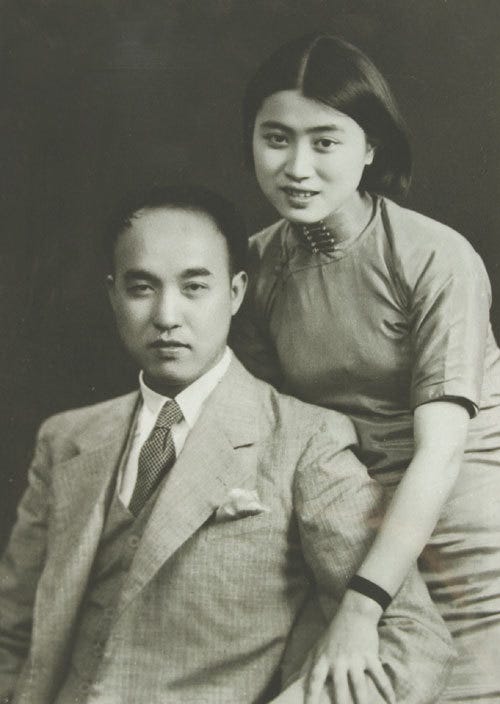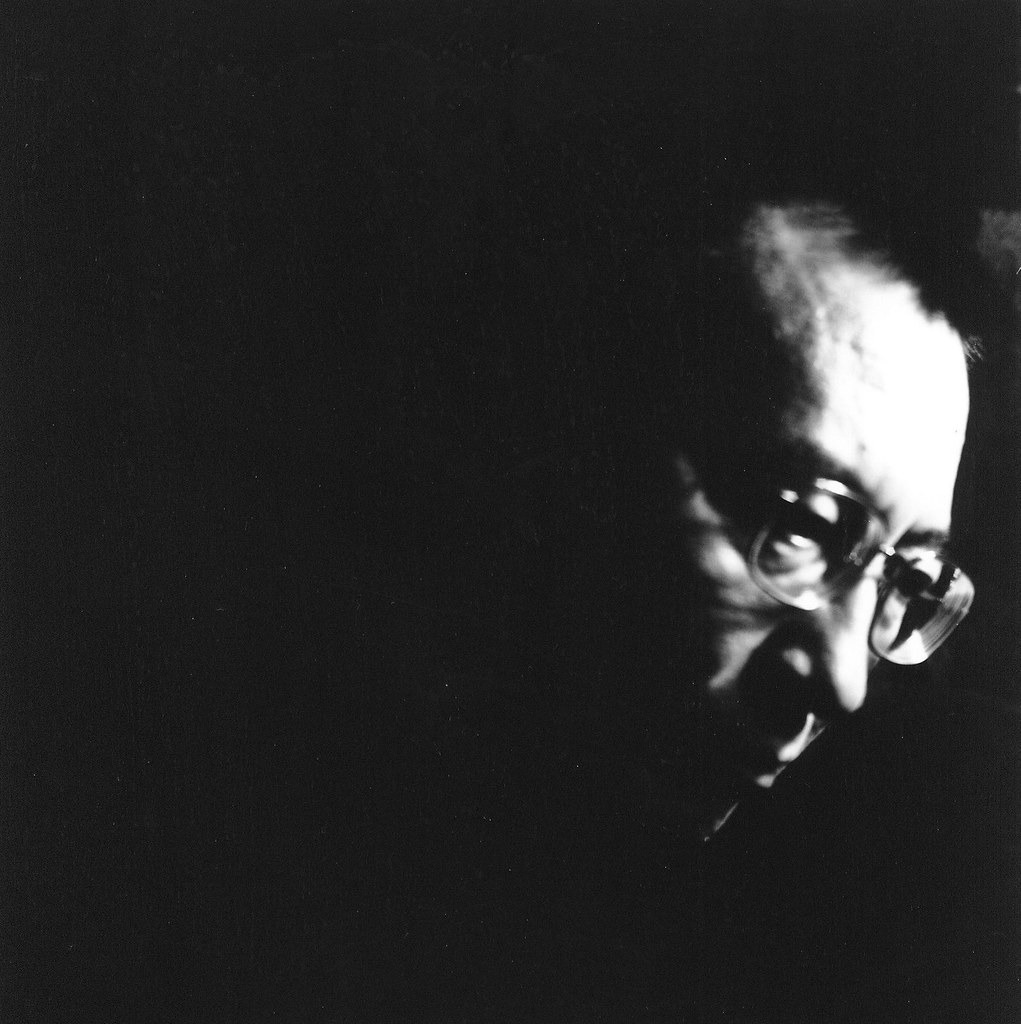
Liu Xiaobo.
This is adapted from a speech that Ian Johnson gave at Berlin’s Zion Church commemorating the first anniversary of the death of Liu Xiaobo. July 13, 2025, is the eighth anniversary of Liu’s passing and, instead of his importance fading, it only grows. In this essay, Johnson hints at some of the reasons for his enduring relevance—partly because of his courage for staying and fighting, but mainly for his self-reflection, which allowed a callow, arrogant intellectual to develop into a thoughtful person with sophisticated ideas for how people can live a decent live in an authoritarian regime.
The Man Who Stayed: Remembering Liu Xiaobo Eight Years After His Passing
By Ian Johnson
[中国民间档案馆 China Unofficial Archives is a reader-supported publication. To receive new posts and support our work, please consider becoming a free or paid subscriber through the above link.]
In 1898, some of China’s most brilliant minds allied themselves with the Emperor Guangxu, a young ruler who was trying to assert himself by forcing through reforms to open up China’s political, economic, and educational systems. But opponents quickly struck back, deposing the emperor and causing his advisors to flee for their lives.
Among those who stayed was a young scholar named Tan Sitong. Tan knew that remaining in Beijing meant death but hoped that his execution might shock his fellow citizens awake.
It wasn’t a modest decision. Tan was one of the most provocative essayists of his generation. He had published an influential book decrying the effects of absolutism. He had founded schools and newspapers and advised other political figures on how to change the system. There was every justification for him to save himself so he could contribute to future battles. But these arguments also made Tan realize how valuable it was that he remain in the imperial capital: facing death proudly, at the hands of those resisting reforms, could make a difference; people might pay attention to China’s plight. Continue reading Remembering Liu Xiaobo