Small Ruminant Production Workshop – Wilmington Ohio

Brady Campbell, Program Coordinator, OSU Sheep Team

Small ruminant production continues to grow across the nation as the market for this industry remains strong. Small ruminants, including sheep and goats, are two livestock species that are most easily adapted to any type of production system. Regardless if you are someone that is interested in just getting into the industry or a seasoned veteran, I encourage you to attend the latest small ruminant production workshop.

Sponsored by the OSU Sheep Team, The Ohio State University Extension, Wilmington College, and Ohio Sheep and Wool Program, I’d like to invite you to the Small Ruminant Production Workshop – Addressing Needs for a Successful Production Season. Continue reading Small Ruminant Production Workshop – Wilmington Ohio
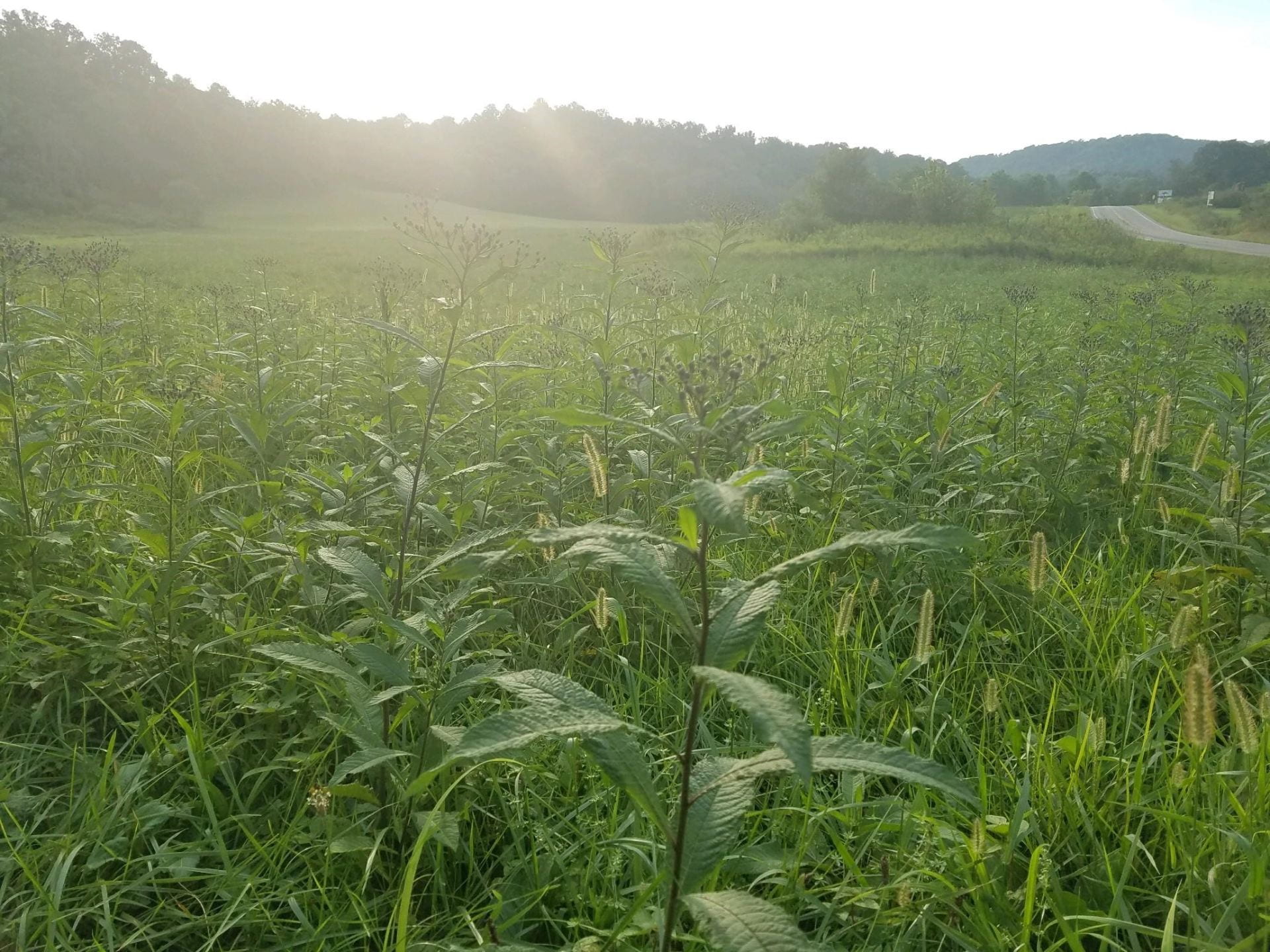
Weed and Brush Control: Myths and Mistakes

Scott Flynn, Field Scientist, Corteva Agriscience
(Previously published in Hay & Forage Grower: May 21, 2019)

Weed and brush encroachment into pastures and hayfields can lower the ability to meet nutritional needs of most livestock operations. Over time, most producers eventually reduce animal numbers or supplement herds to compensate for forage loss. Meanwhile, a shortened grazing season and a need for more hay is realized as pastures decline. I often tell producers looking for more grazing acres that the cheapest pasture acres they will ever buy are the ones they gain when weeds and brush are controlled.

Most producers recognize the negative impacts of weeds on forage production and seek to control these invaders. However, Continue reading Weed and Brush Control: Myths and Mistakes

How to Feed and Use Poor Quality Hay

Brady Campbell, Program Coordinator, OSU Sheep Team
Rory Lewandowski, OSU Extension Educator ANR, Wayne County

Realities of hay produced in 2019:
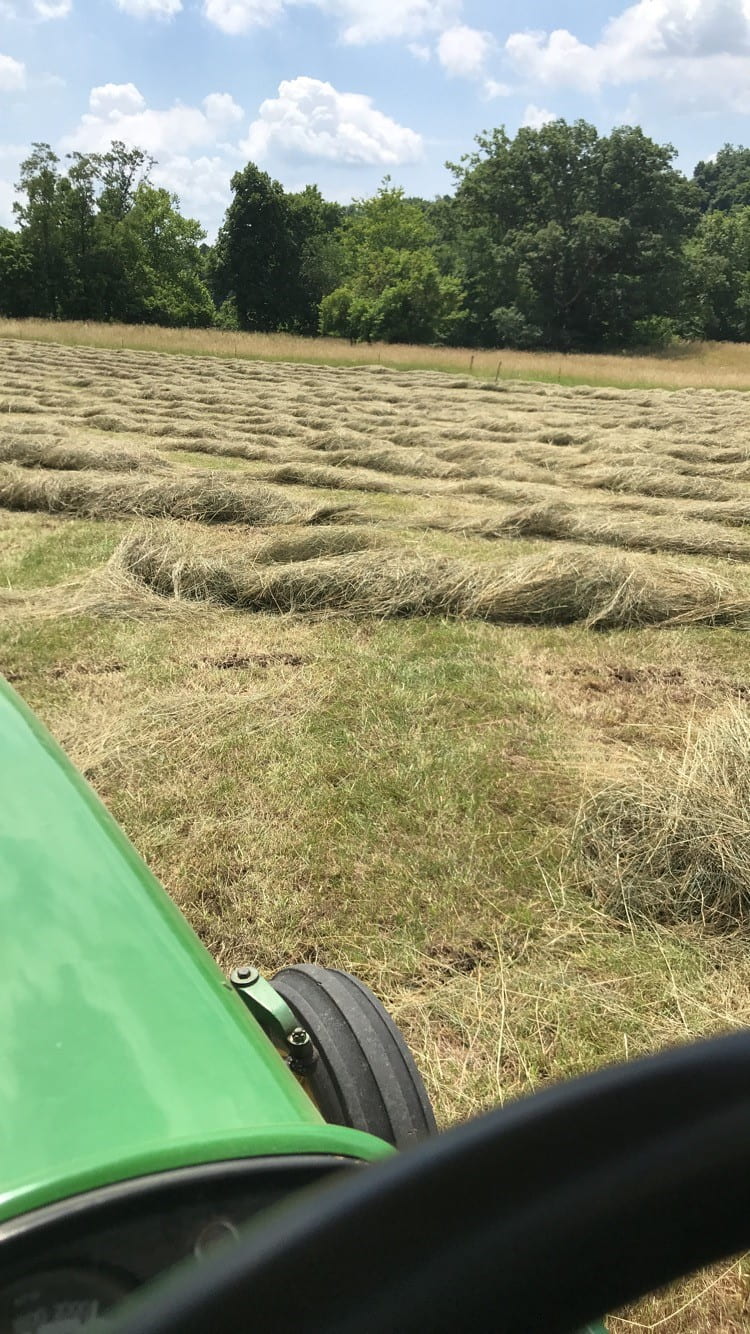
Persistent and frequent rains not only led to delayed planting, but they also foiled the best-laid plans of sheep producers to take a timely first cut hay harvest. As a result, significant acres of first cut hay was baled in late June and even well into July. Overly mature is one way to describe this hay, but whatever the description, most producers recognize this hay is of poor quality. The big question many producers are facing now is how and when to best use this hay? Some have suggested the best use is bedding material. This is a valid consideration, particularly with high straw prices as hay has an absorbency factor (value used to describe the water holding capacity of a material) of 3.0, which is greater than that of wheat straw which sits at 2.1. It is important to note that the initial moisture content of these materials when tested was less than 10%. For those that Continue reading How to Feed and Use Poor Quality Hay

Ag-note: Parasite Focus – Haemonchus Contortus

Kirsten McCollough, Kourtney Sprague, Jamie Summers, Kristi Lampton, and Hannah Whitaker, OSU Animal Science Undergraduate Students
Brady Campbell, Program Coordinator, OSU Sheep Team

Parasite Focus – Haemonchus Contortus
** Follow the link above to view the Ag-note.

To kick off the next series of Ag-notes compiled by The Ohio State University’s AS 4004 class of 2019, I found it appropriate to hit a timely topic, parasites, especially with the previously wet and now hot and humid environmental conditions that many livestock and their producers are experiencing. Therefore, Animal Sciences students Kirsten McCollough, Kourtney Sprague, Jamie Summers, Kristi Lampton, and Hannah Whitaker chose to focus on a specific parasite that is continually becoming more difficult to manage for small ruminant producers raising sheep and goats on pasture – Haemonchus contortus. Continue reading Ag-note: Parasite Focus – Haemonchus Contortus

Late Summer Establishment of Perennial Forages

Rory Lewandowski, OSU Extension Educator ANR, Wayne County
Dr. Mark Sulc, OSU Extension Forage Specialist, The Ohio State University

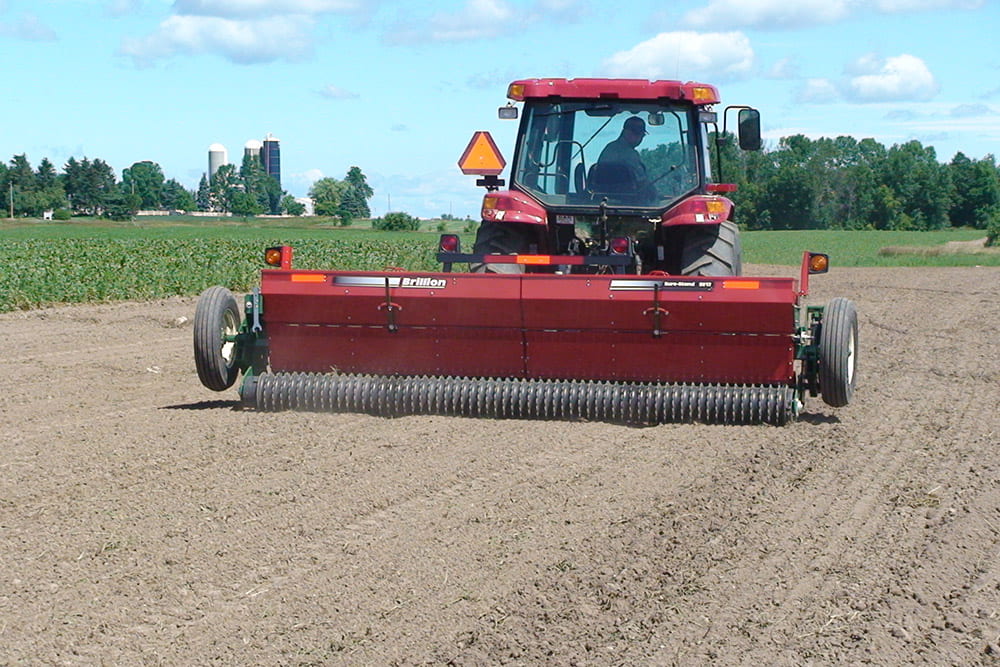
We are quickly approaching the second good opportunity of the year for establishing perennial forage stands, which is in the month of August. Most of us were not able to establish forages this spring, and many existing stands were damaged by the winter followed by the heavy rainfall this year. It is time to make preparations and be ready to plant perennial forage stands in the next few weeks.

Typically, the main risk with late summer forage seedings is sufficient moisture for seed germination and plant establishment. However, many parts of Ohio have adequate soil moisture from recent rains, and the outlook for the first half of August is for normal precipitation levels. Prepare now and be ready to take advantage of planting ahead of storm fronts as they occur in late July and early August. Continue reading Late Summer Establishment of Perennial Forages

Preparing Low Worm-risk Paddocks

Wormboss
(Previously published on Wormboss, Tests and Tools, Management Tools, Sheep)

Problem: Continuous re-contamination of the paddocks with worm eggs that develop to larvae is a major cause of ongoing worm problems for sheep or goats.

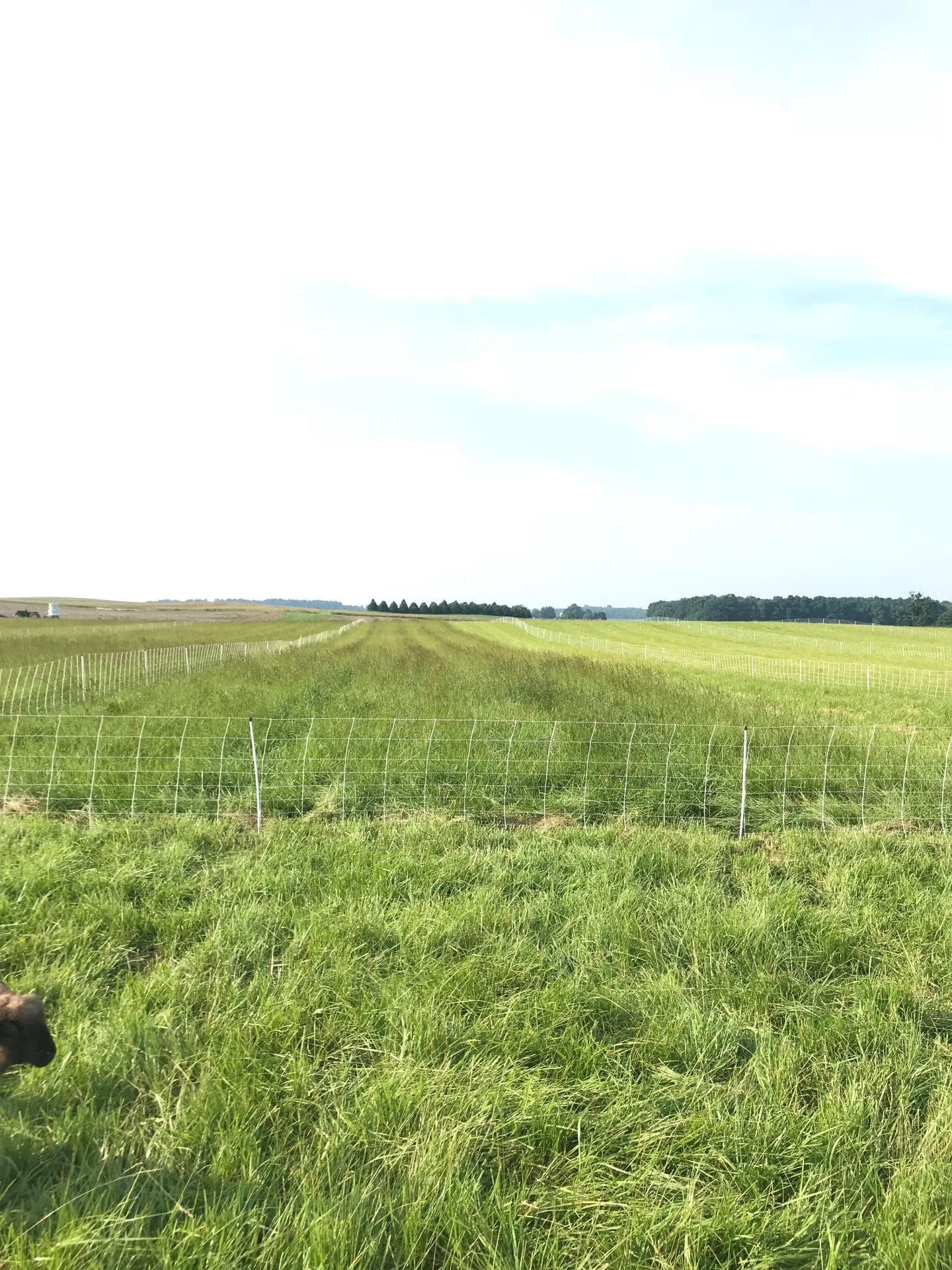
Solution: Preparing low worm-risk paddocks to prevent animals from becoming heavily infected with worms is a key strategy in effective and profitable worm control.

Benefit: Low worm-risk paddocks for key classes of stock at particular times of the year reduce both production loss and the need for chemical (de-worming) intervention. In turn, fewer [treatments] result in Continue reading Preparing Low Worm-risk Paddocks

Ram Behavior

Jackie Lee, 2019 DVM Candidate, The Ohio State University College of Veterinary Medicine

(Image Source: Stonehaven Farm)

We have all heard the stories of shepherds who have been injured or even killed by rams unexpectedly. The best way to avoid these situations is to prevent them. Knowing normal ram behavior, what promotes ram aggression and methods to mitigate aggression will facilitate producer safety. As a brief aside, there were very few scientific and text resources that impart advice on ram safety and incident prevention, therefore much of this article is attributed to the personal experiences and opinions of myself as well as my colleagues and mentors.

Rams have many typical behaviors that most producers are Continue reading Ram Behavior

Recap: Ohio Forage and Grassland Council Tour

Christine Gelley, OSU Extension Educator ANR, Noble County

On Friday morning July 12th, forage and grassland enthusiasts gathered in Jackson, Ohio for the annual Ohio Forage and Grasslands Council annual sheep and forage tour. A group of twenty, including livestock producers, forage managers, educators, and agricultural industry representatives, headed northwest toward Chillicothe to visit Pastured Providence Farmstead.

There they met Paul Dorrance, the owner and operator of the farm. Paul shared with the group how he came to settle down on a farm in Ohio after a career as a pilot in the United States Air Force. Although he still serves in the reserves out of Wright-Patterson Air Force Base in Dayton, the farm is his full-time job. Paul and Continue reading Recap: Ohio Forage and Grassland Council Tour

Pasture-Raised Livestock and Pasture Consultant Farm Tour

Mike Estadt, OSU Extension Educator ANR, Pickaway County

Bob Hendershot began his career with the Soil Conservation Service (later changed to the Natural Resources Conservation Service or NRCS) as a soil scientist mapping soils for the soil survey program. He was promoted to a Conservation Agronomist and he and his young family moved to Circleville. He later was promoted to Resource Conservationist and finally State Grassland Conservationist in 1985.

Bob presently lives on the same pasture farm that his family moved to 33 years ago, raising sheep and cattle. He and his late wife Connie have three grown children. After retiring from NRCS, he started Green Pasture Services, a pasture consulting service that sells forage seed and temporary fencing materials. Continue reading Pasture-Raised Livestock and Pasture Consultant Farm Tour

Recap: 2019 Ohio Sheep and Hay Day

Brady Campbell, Program Coordinator, OSU Sheep Team

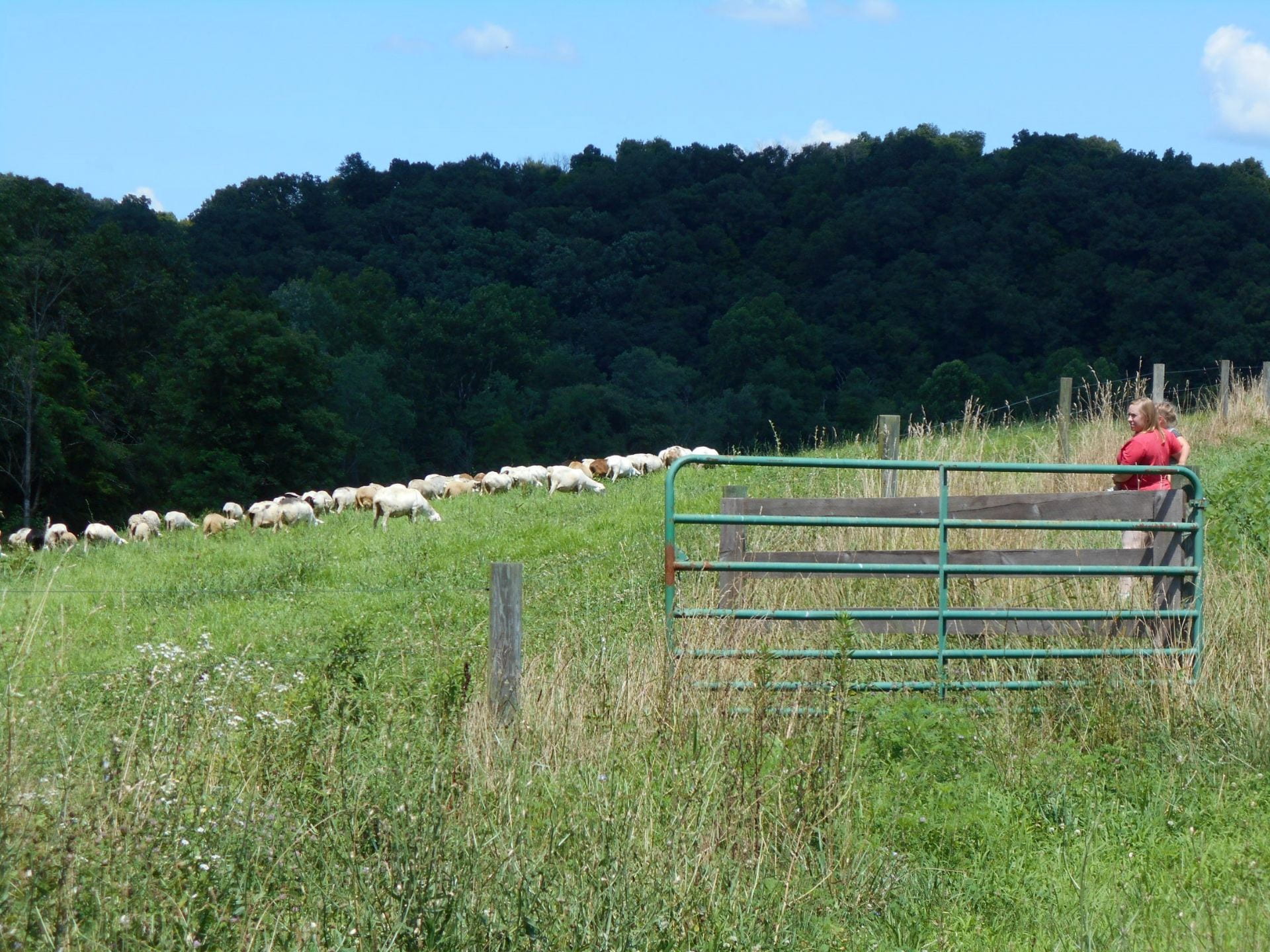
Supported by The Ohio State University, Ohio Sheep and Wool Program, Ohio Sheep Improvement Association, Ohio Farm Bureau, and a sunny summer day, the 2019 Ohio Sheep and Hay Day held on Saturday, July 13th at the Jackson Agricultural Research Station (JARS) was a success. For those not as familiar with JARS, this facility is located on 495 acres in the rolling hills of southern Ohio. Historically, this stations research interests revolved around beef cattle reproduction and forage management systems. However, in 2014 interest expanded and the research station added sheep to the list of research interests. Jackson is now home to the universities first hair sheep flock using the Katahdin breed.

To kick off the days events, attendees had the opportunity to hear from Continue reading Recap: 2019 Ohio Sheep and Hay Day

Can Veggies Stand in for Poor Hay this Year?

Chris Penrose, OSU Extension Educator ANR, Morgan County

Many of us have harvested hay way past its prime this year, the protein and energy is low, and the fiber is high. There is a way to balance the needs of our ruminants this fall by planting some veggies.

Turnips, rape, kale, rutabagas, and swedes are all examples of some veggies from the brassica family we can plant for livestock for feed this fall with turnips being the most common.

Many studies and producer experiences reinforce that brassicas are a viable option to extend the grazing season, and reduce stored feed costs. They tend to have good protein and energy, and are low in fiber (see how this can make for good feed supplemented with poor quality hay). Continue reading Can Veggies Stand in for Poor Hay this Year?