Image from here
Introduction (3,5,6)
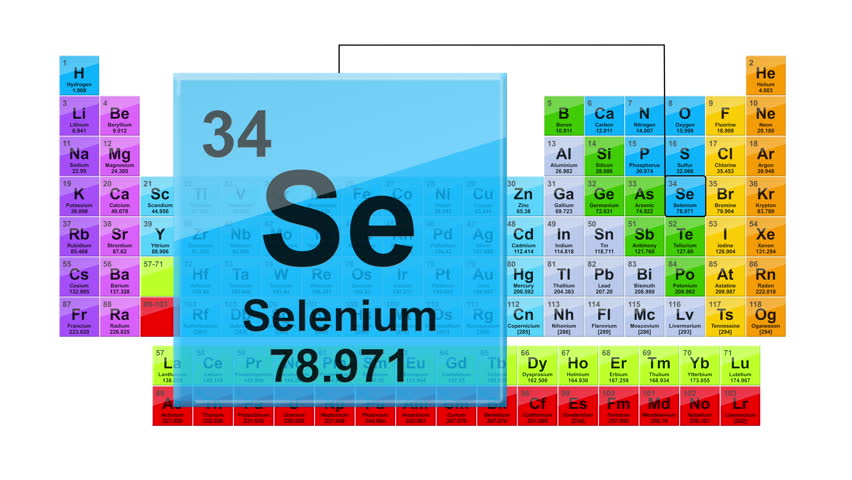
Selenium was discovered in 1817 by the Swedish chemist Jons Jacob Berzelius and was named after Selene, the Greek Goddess of the moon. Selenium is not a metal but has metal-like properties and is characterized by a metallic gray to black crystal appearance. Selenium is an essential dietary element for mammals, algae, bacteria, and many eukaryotes. Elemental selenium is commercially produced as a byproduct of copper refining, but selenium occurs naturally in other forms in the environment.
Source (1,2,5)
Selenium is a metalloid trace element that exists in an inorganic form as selenate and selenite, and in an organic form as selenomethionine and selenocysteine. The inorganic forms are found in soils, and plants accumulate and convert them to organic forms.
Selenium is naturally present in many foods including brazil nuts, seafood, organ meats, muscle meats, poultry, breads, cereals, grains, dairy products, and eggs. Below are additional sources of selenium rich foods. The amount of selenium in these foods depends on the amount of selenium in the soil, soil pH, amount of organic matter in the soil, if the selenium in the soil is in a form susceptible to plant uptake, and the amount of selenium in plants that the animal sources eat.
Image from here
Selenium is also available as a dietary supplement found in multivitamin supplements or as a standalone supplement. Dietary supplements of selenium are typically in the form of selenomethionine, selenium-enriched yeast, sodium selenite, or sodium selenate.
Occupational exposure of selenium may include metal smelting, incineration of rubber tires, milling operations, municipal waste, and selenium refining operations. Airborne exposure of selenium can also occur as a result of the combustion of coal and other fossil fuels.
Essentiality and Deficiency (1,2,5)
Selenium is essential for reproduction, thyroid hormone metabolism, DNA synthesis, muscle function, and protection from oxidative damage and infection. Because of selenium’s effect on DNA synthesis, apoptosis, endocrine and immune systems, and its antioxidant properties, it may help prevent cancer. In cardiovascular disease, selenium helps prevent the oxidative modification of lipids, reduces inflammation, and prevents aggregation of platelets. Researchers are also studying the possible link between selenium and brain function in the prevention of Alzheimer’s Disease due to selenium’s antioxidant activity. The potential benefits of selenium are described in greater detail in the video below.
Video from YouTube
The Recommended Dietary Allowance (RDA) is the average daily level of intake sufficient to meet the nutrient requirements for most individuals. These levels are set by the Food and Nutrition Board (FNB) at the Institute of Medicine of the National Academies. Below is a table of the RDAs of selenium for each age range. The tolerable upper limit of selenium in adults is 400 mcg per day when signs of toxicity begin to appear.
![The Best Vegan Selenium Food Sources [Table] | VegFAQs](https://vegfaqs.com/wp-content/uploads/2018/07/selenium-rda.png)
Image from here
Deficiency of selenium may cause cardiomyopathy, male infertility, osteoarthritis, immune dysfunction, susceptibility to cancer, and may exacerbate iodine deficiency. Due to diet and the amount of selenium in the soil, selenium deficiency is rare in the United States and Canada, but is common in other countries with low soil levels and primarily vegetarian diets. People undergoing kidney dialysis are also at risk of deficiency because some selenium is removed from the blood during hemodialysis. Selenium levels are also usually low in people living with HIV. This may be due to inadequate intake, excessive loss due to diarrhea, and malabsorption.
Toxicokinetics and Biotransformation (2,5,6)
When ingested orally, more than 80% of selenite, selenate, and selenomethionine are readily absorbed and typically accumulate in the liver and kidneys. Selenium is primarily metabolized by glutathione (GSH) in a series of stepwise reduction reactions. The image below depicts the various metabolic pathways. Over 20 types of selenoproteins are formed and interact with enzymes to achieve the important functions of selenium in the body, including the free radical protection and thyroid homeostasis. Some of the selenoproteins and enzyme interactions include glutathione peroxidase, thioredoxin reductase, selenoprotein P, selenium W, and Iodothreonine deiodinases. Most of the selenium that enters the body is eliminated within 24 hours. Urine and feces are the major excretion methods of selenium. During acute selenium toxicity exposures, a large amount of selenium is also eliminated in expired air.

Selenium metabolism pathways. (1) The transsulfurationpathway; (2) selenocysteine β-lyase; (3) reduction by glutathione; (4) selenophosphatesynthetase; (5) methylation; (6) replacement of sulfur in tRNA by selenium; (7) replacement of oxygen in serine to produce selenocysteine; (8) decoding of UGA in mRNA with insertion of selenocysteine into primary structure of protein; and (9) proteolytic breakdown of proteins. The origin and identity of the transport form for selenium is unknown, as indicated by the broken lines.
Image and description from: (Toxic Effects of Metals, KlaassenCD. Casarettand Doull’sToxicology: The Basic Science of Poisons, 8e;2012. Available at: https://accesspharmacy.mhmedical.com/content.aspx?bookid=958§ionid=53483748 Accessed: June 15, 2020)
Mechanism of Action (3)
The molecular mechanism of selenium toxicity is not well defined, but it is thought that the interaction of inorganic and organic selenium with thiols play a key role. One proposed mechanism involves a selenium-mediated thiol oxidation that produces reactive oxygen species that lead to toxicity. Oxidative stress results in the selenium-induced toxicity and apoptosis in various cells.
Target organs (5)
Selenium accumulates in many tissues, but the largest accumulation occurs in the CNS, heart, liver and kidneys.
Biomarkers (2)
Selenium levels can be measured in plasma, serum, whole blood, milk, urine, hair, nails, or kidney and liver tissues. The measurement of selenoenzyme methionine sulfide reductase B1 (MsrB1) is a biomarker that can detect minor changes in selenium levels.
Signs and symptoms of toxicity (1, 5)
- Garlic odor in the breath
- Metallic taste in the mouth
- Hair and nail loss or brittleness
- Lesions and rashes on the skin
- Nausea
- Diarrhea
- Mottled teeth
- Fatigue
- Irritability
- Nervous system abnormalities
Acute selenium toxicity in humans is rare, but intentional or accidental ingestion of large amounts of selenium can be fatal. In these cases, initial symptoms include nausea and vomiting, but pulmonary edema and a rapid cardiovascular collapse quickly follow.
Chronic selenium toxicity typically occurs with environmental exposure and effects are typically dermal or neurological. These effects include hair and fingernail loss, tooth discoloration, numbness, paralysis, and hemiplegia.
Treatments (4)
There are no antidotes or curative treatments for selenium toxicity. The only treatments include stopping the selenium exposure and providing supportive care depending on symptoms of individual patients.
Genetic susceptibility or heritable traits (6)
Genetic makeup, age, health and nutritional status, and exposure to other substances such as cigarette smoking may decrease the detoxification or excretion of excess selenium. Some health conditions that may increase the risk of selenium toxicity include insulin-dependent diabetes and iodine or thyroid deficiencies. People with vitamin E deficient diets may also be more prone to liver damage with excess selenium exposure. Geographic location also plays a key role in selenium toxicity susceptibility. Some regions, such as the western United States have much higher levels of selenium in soil and plants, which can lead to greater amounts ingested.
Carcinogenicity (5,6)
Selenium’s antioxidant effects reduce the risk of cancer. It is also being researched as a possible treatment for reducing spontaneous tumors or tumors formed by organic carcinogens in mice and rats. Selenium sulfide is the only selenium compound that has possibly been linked to an increased cancer risk in mice and rats when administered at very high levels directly into the stomach. Selenium sulfide is a very different compound than the organic and inorganic selenium compounds found in food or the environment. Selenium sulfide is used as an anti-dandruff shampoo and is not absorbed through the skin, so it is generally considered safe.
Historical or unique exposures (1,4)
Acute selenium toxicity has occurred as a result of misformulated over-the-counter products containing higher amounts of selenium than labeled. In 2008, 201 people experienced severe adverse reactions after taking a supplement that contained 200 times more than the labeled amount of selenium. Toxicities included gastrointestinal and neurological symptoms, respiratory distress syndrome, myocardial infarction, hair loss, muscle tenderness, tremors, lightheadedness, memory loss, facial flushing, kidney failure, and cardiac failure. Symptoms lasted at least 90 days after discontinuation of the product.
References
- National Institutes of Health Office of Dietary Supplements. Selenium Fact Sheet for Health Professionals. Accessed June 11 2020. Available from: https://ods.od.nih.gov/factsheets/Selenium-HealthProfessional/
- Mehdi Y, Hornick JL, Istasse L, Dufrasne I. Selenium in the Environment, Metabolism and Involvement in Body Functions. Molecules. March 2013; 18: 3292-3311.
- Nogueira CW, Rocha JBT. Toxicology and pharmacology of selenium: emphasis on synthetic organoselenium compounds. Arch Toxicology. July 2011; 85: 1313-1359.
- MacFarquhar JK, Broussard DL, Melstrom P, et al. Acute Selenium Toxicity Associated With a Dietary Supplement. Arch Intern Med. February 2010; 170(3): 256-261.
- Tokar EJ, Boyd WA, Freedman JH, Waalkes MP. Toxic Effects of Metals. In: Klaassen CD. eds. Casarett and Doull’s Toxicology: The Basic Science of Poisons, Eighth Edition. McGraw-Hill; Accessed June 15, 2020. https://accesspharmacy-mhmedical-com.proxy.lib.ohio-state.edu/content.aspx?bookid=958§ionid=53483748
- U.S. Department of Health and Human Services Agency for Toxic Substances and Disease Registry. Toxicological Profile for Selenium. Accessed June 15, 2020. Available from: https://www.atsdr.cdc.gov/ToxProfiles/tp92.pdf.