What I want to share today is a movie called The Hangover. The Hangover is a 2009 American comedy film directed by Todd Phillips and produced by Phillips and Daniel Goldberg, starring Bradley Cooper, Ed Helms, Zach Galifianakis, Heather Graham, Justin Bartha, Ken Jeong, and Jeffrey Tambor. In The Hangover trilogy, I mainly want to talk about the third installment. Although this film is mainly comedy, it also contains some kind of encounter between people of different cultures or identities. In the third installment, there is an important role called Zhou. Different from the first two films, the third one is not drunk, and there is no need to piece together memories, but it is also because of the first drunkenness that the gang will get into trouble. Poor Doug was taken hostage. Stu, Phil and Allen’s task was to find Zhou who robbed the gang boss’s gold bars, and to find the robbed gold bars before Doug could be rescued. I think this work can find some examples related to the racial stereotypes studied this semester. Zhou, an Asian character, is very cunning and clever. The three of them were fooled by Zhou and nearly lost their lives. Considering that there are some stories in Thailand in in The Hangover trilogy, I think creator wants to add some “foreign elements” to this American film. On the other hand, Zhou can also show some characteristics of migrants. Zhou doesn’t have a legal identity, so he gets a lot of money by stealing and cheating, and then lead a life of luxury and debauchery. I think one of the reasons is that it is difficult for people without formal status to get enough money legally. Of course, I think this is correct. People like Zhou will easily cause harm to society and citizens. After these people with different identities encounter, the audience can clearly find their differences. Stu, Phil and Allen seem very simple, because they all grew up in a very peaceful and stable environment and have several close friends around them. Zhou, the lone character, is decisive and shrewd. I think this is related to his experience of wandering around all the year round. It occurs to me that one’s behavior and ideology are easily influenced by the outside world. Not only the origin or race, but also the friends around you and the life you experience often determine what kind of person you are going to be. This is all my book reviews, thank you!
Work Cited
https://movies.fandom.com/wiki/The_Hangover


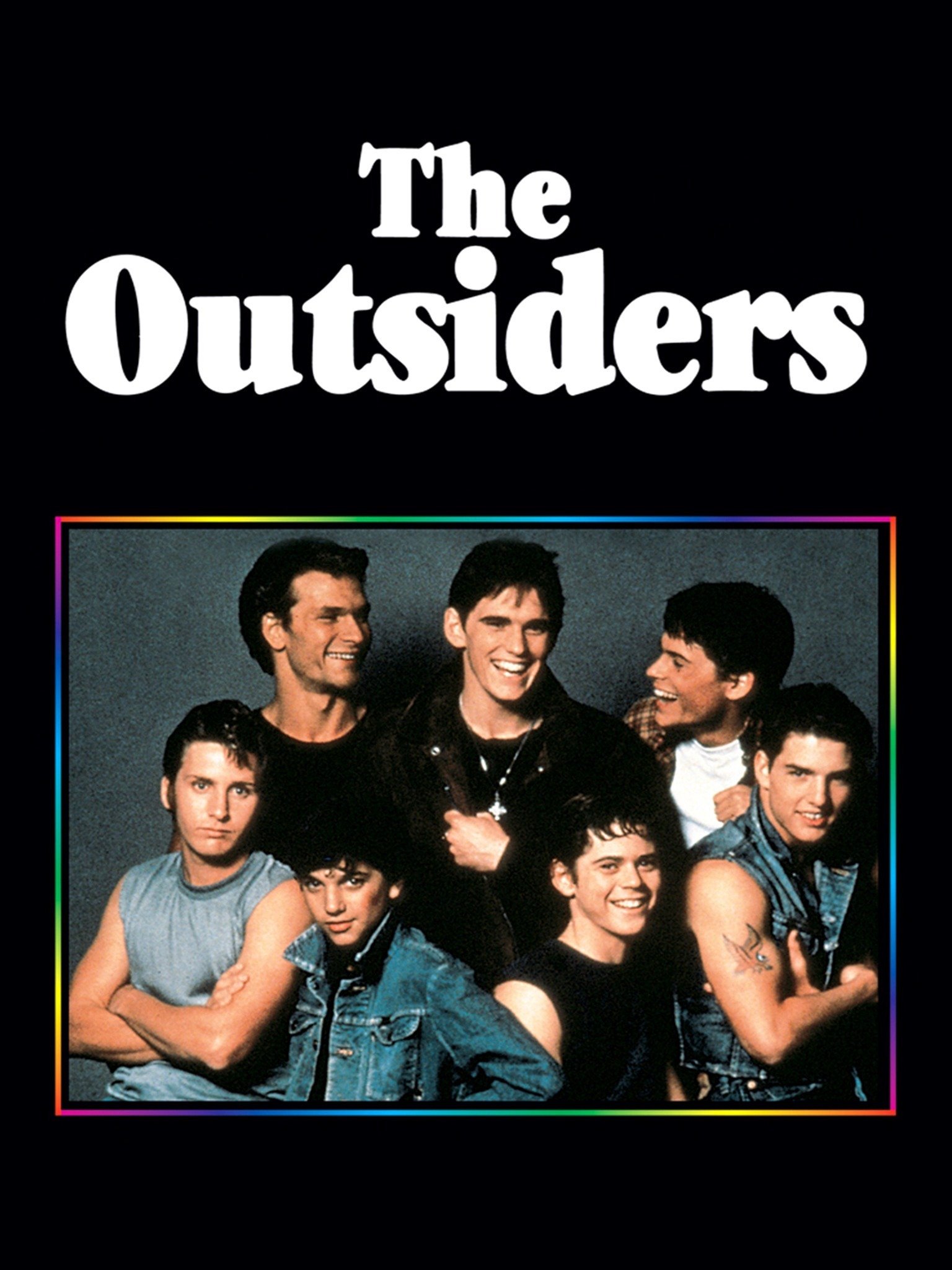 There is a lot of deeper meaning in this story. Although at the most simplistic level, this story is about the ongoing feud between the Greasers and Socs, this is not exactly the message this story is trying to portray. The main point of contention between the greasers and the Socs is how they reject or adapt to the social and economic factors that keep their groups apart. The members of the groupings are stereotyped as a result of societal and economic forces, robbing them of their uniqueness and, perhaps, their humanity. Finally, the narrative looks at how greasers and Socs choose to break free from stereotypes and regain their identity. Ponyboy changes his appearance to that of a boy rather than a greaser. When Ponyboy decides to tell his narrative, he is opting to show the Socs and greasers’ uniqueness and humanity. Although there are many course themes that come to mind when I consider this story, one stick outs to me. It is Simone De Beauvoir’s theory of “othering.” This theory states that in society one group of people will always be looked at as the “other” due to a plethora of factors including but not limited to economical and societal standings. As a result of this, that group will be looked at as “less than,” which is exactly what happened in this story to the Greasers, as the Socs looked down on them since they were poorer. Identity and power can be clearly identified in this story as the story depicts an ongoing power struggle between two groups. This work also inspires a conversation about injustice, as several acts of injustice were performed in the story because one side thought they were better than and more entitled than another.