Part of the Nurture Your Nest: Room by Room wellness webinar series presented in Autumn 2025.
[ View Creating a Kitchen that Cares for You text transcript ]
Part of the Nurture Your Nest: Room by Room wellness webinar series presented in Autumn 2025.
[ View Creating a Kitchen that Cares for You text transcript ]
The Live Better Your Way campaign, part of the CDC’s High Obesity Program (HOP), encourages Ohioans to take simple, meaningful steps toward better health—on their own terms.
Using the Buckeye Leaf as a symbol of local pride, each leaf represents a key wellness message:
🥗 Fuel Your Day
Choose colorful, fresh foods and drink water first for thirst. Explore resources like MyPlate.gov, hydration tips, and local produce incentives.
👟 Move Your Way
Find small moments to stretch, walk, or play. Even short bursts of movement can make a big difference.
🧠 Recharge Your Mind
Make space for quiet, growth, and rest. Mindfulness, sleep habits, and personal development are key to mental wellness.
🤝 Connect with Your Community
Build support through neighbors, parks, libraries, and local services. Strong communities help individuals thrive.
✅ Take Action Today
Start small and make one change that fits your lifestyle:
Live Better Your Way is about making health personal, practical, and possible—right here in our Ohio communities.

Childhood Obesity
According to an article published in the National Library of Medicine, childhood and adolescent obesity have reached epidemic levels in the United States. Currently, about 17% of US children are presenting with obesity. This alarming statistic comes with the warning that childhood obesity can lead to unhealthy patterns young people carry with them throughout their lives. Parents and caregivers can help children maintain a healthy weight by following MyPlate guidelines and tips found on the U.S. Department of Agriculture’s website. Here you can access MyPlate Plan which can help families understand what and how much children one and over should be eating from designated food groups over the course of a day. MyPlate Plans are available in multiple languages and have been culturally adapted to reflect foods from ten distinct cultures.
Drinks Count Too
“The average 4-5 year old child consumes 17 teaspoons of added sugar a day – which amounts to 65 pounds of added sugar a year. The majority of a child’s added sugar intake comes from fruit drinks, high-fat desserts, soft drinks and candy” (FIRST 5). Follow Potter the Otter for helpful tips on healthy eating and staying active. Parents and caregivers can help by reducing the number of sugary drinks offered, modeling healthy drink choices, and providing water first for thirst.
Physical Activity and Screen Time
Physical Activity also plays a significant role in children’s health. According to the CDC, “physical activity is good for children in many ways. Benefits include improved academic performance, brain health, muscular fitness, heart, and lung health, cardiometabolic health, long-term health, bone strength, and measures of healthy weight.
Children need 60 minutes of activity each day. The Move Your Way website offers suggestions for adults and children including an activity slider to keep you on track. According to a study in the Journal of the American Medical Association, “a combination of high screen time (hours per day) and low physical activity (step count per day) was associated with overweight and obesity.” Looking for more fun ways to get your kid moving? Use the chart below from the American Heart Association to try a new activity with your child each day.

Family Meals are More Than Good Nutrition
Did you know eating as a family can improve your health? The National Center on Addiction and Substance Abuse (CASA) at Columbia University says that the more often children eat dinner with their parents, the less likely they are to smoke, drink, or use illicit drugs. The center compared teens who dined with families five or seven times a week with those who did so twice or less. Those who ate together more often were four times less likely to smoke, 2.5 times less likely to use marijuana, and half as likely to drink alcohol.
Are You Raising a Healthy, Active Child?
Take the interactive quiz and get tips from The American Academy of Pediatrics. Access the quiz through the healthychildren.org website.
Author: Heather Reister, Extension Educator, Ohio State University Extension, Butler County
Reviewer: Dan Remley, Associate Professor, Field Specialist, Food, Nutrition, and Wellness, Ohio State University

The health and wellness benefits of Vitamin N(ature) have been documented for over four decades. A quick summary shows that getting outside can:
Most people can personally describe how spending time outdoors and in nature makes them feel happier and healthier. But have you ever thought about getting Vitamin N at night?
In a world dominated by artificial light and screen time, the night has become something we often avoid or overlook. Yet, celebrating the night and embracing natural darkness offers profound health benefits.
Dr. Joe Blanda, a retired orthopedic surgeon, emphasizes that reconnecting with the night sky can be a powerful tool for improving overall well-being. Historically, humans have had a deep connection to the cosmos. From ancient cave art to celestial navigation, the night sky has guided and inspired us. Today, however, excessive exposure to artificial light at night is harming human health. It disrupts our circadian rhythms which can lead to sleep disturbances, metabolic issues, and increased risks of conditions like obesity, diabetes, mood disorders, and even cancer.
Natural darkness, on the other hand, helps restore balance. It allows our bodies to produce melatonin, a hormone essential for sleep and cellular repair. Spending time in the dark is a valuable source of Vitamin N. A recent study stated, “Feeling connected to nature [and the night sky] can give individuals a sense of purpose and meaning in life…[and] experiencing the beauty and wonder of the natural world can evoke positive emotions and a sense of awe, which can lead to increased overall happiness.”
To reap these health benefits, consider taking nighttime walks, stargazing, joining a full moon hike, or going camping where there is less light pollution. Explore your local parks to see if they have evening programs dedicated to bird migration, bats, meteor showers, fireflies, moths, owl prowls, salamander migration, or the night sky.
Another important consideration is advocating for darker environments around our homes and in our communities. Reducing artificial light supports not only human health but also the well-being of nocturnal wildlife. DarkSky International has helpful education resources about light pollution and easy solutions we can implement in our homes, at work, and in our communities.
Ultimately, celebrating the night is about more than just health— it is about reclaiming a part of our human experience that has been lost in the glow of modern life. By stepping outside and looking up, we reconnect with the rhythms of nature, restore our internal balance, and rediscover the beauty and healing power of the night.
To learn more about the powerful health and wellness benefits of nature, visit go.osu.edu/Nature-Matters.
Resources:
DarkSky International: https://darksky.org
DarkSky Ohio: https://www.facebook.com/DarkSkyOhio
Night Magic: Adventures Among Glowworms, Moon Gardens, and Other Marvels of the Dark by Leigh Ann Henion
Written by: Laura M. Stanton, Family and Consumer Sciences Educator, Ohio State University Extension, Warren County. Email: stanton.60@osu.edu
Reviewed by: Susan Zies, OSU Extension, Wood County, Family and Consumer Sciences Educator.
Part of the Nurture Your Nest: Room by Room wellness webinar series presented in Autumn 2025.

As the school year begins, many families across the country return to the daily routine of packing lunches. But did you know that the average student generates 67 pounds of lunch packaging waste per school year? That’s nearly 19,000 pounds of trash for just one elementary school. Fortunately, packing a waste-free lunch is a simple and effective way to reduce environmental impact, save money, and promote healthier eating habits.
A waste-free lunch avoids disposable packaging and single-use items. Instead, it uses:
The goal is to eliminate trash that ends up in landfills and reduce the carbon footprint associated with food packaging and transportation.
According to research from Penn State University, U.S. school cafeterias waste between 27% and 53% of the food they serve, with fruits and vegetables being the most frequently discarded items. Packing lunches at home allows families to choose foods children are more likely to eat, reducing food waste and promoting better nutrition. It also encourages portion control and healthy food choices.
The Ohio State University Extension offers practical strategies for families:
These small changes can make a big difference in reducing waste and promoting sustainability.
Packing a lunch at home also gives parents control over what their children eat, allowing them to include balanced meals with fruits, vegetables, whole grains, and lean proteins. Children who receive nutritious meals are more likely to be food-secure, in good health, and perform better academically. Similarly, studies from the University of Washington found that healthy school meals can reduce childhood obesity and improve overall health outcomes.
Children are more likely to eat what they help prepare. Let them choose their favorite fruits, veggies, and snacks, and teach them how to pack their lunch using reusable containers. This not only reduces waste but also empowers them to make healthy choices and learn sustainable habits.
Packing waste-free lunches is a slight change with significant benefits—for your child’s health, your wallet, and the planet. By making thoughtful choices and utilizing reusable items, families can reduce waste, enhance nutrition, and contribute to a more sustainable future.
Sources:
https://fcs.osu.edu/sites/fcs/files/imce/PDFs/Waste-Free_Lunches.pdf
Written by: Susan Zies, OSU Extension, Wood County, Family and Consumer Sciences Educator
Reviewed by: Laura Stanton, OSU Extension, Warren County, Family and Consumer Sciences Educator
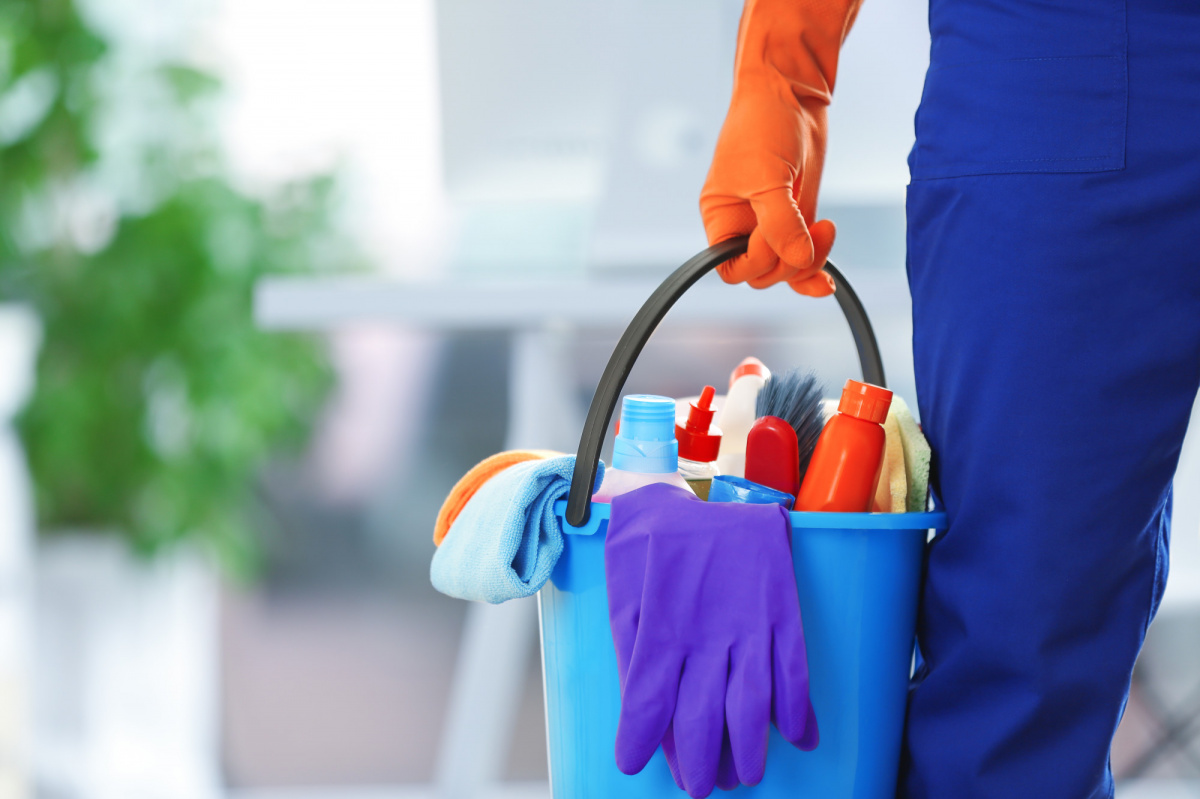
Keeping your home clean is essential for maintaining a healthy environment, but it’s just as important to clean safely. Many household cleaning products contain chemicals that can be harmful if used improperly. To protect your health and the well-being of your family, start by reading product labels carefully. Always follow the instructions, paying close attention to warnings, proper usage, and storage guidelines. One of the most important safety rules is to never mix cleaning products. Combining substances like bleach and ammonia can create toxic gases, and even mixing vinegar with bleach can be dangerous. Stick to one product at a time unless the label specifically says it’s safe to combine. Doing research on what products are safe to mix, after reading the labels is important in making sure that harmful reactions don’t occur.
When using strong cleaners, wear protective gear such as gloves, and consider a mask if you’re working with sprays or powders. Make sure the area is well-ventilated by opening windows or using fans. Choosing safer alternatives can also reduce risk, look for products labeled non-toxic, biodegradable, or fragrance-free, especially if someone in your household has sensitivities. You can also make simple cleaners at home using ingredients like baking soda, vinegar, and lemon juice, but never mix these with commercial cleaners. Cleaning before sanitizing removes visible dirt and germs and is important in high touch areas like doorknobs, light switches, electronics and countertops. The CDC recommends to consider using a wipeable screen protector on electronics to make cleaning and sanitizing easier.
Proper storage is another key to safety. Keep all cleaning supplies in their original containers, locked away from children and pets, and separate from food storage areas. When cleaning, start with dry methods like dusting and vacuuming before using wet cleaners. This reduces the amount of product needed and improves effectiveness. For disinfecting, focus on high-touch surfaces like doorknobs, light switches, and countertops. Use EPA-approved disinfectants and allow them to sit for the recommended time before wiping.
Safe cleaning isn’t just about a sparkling home, it’s about protecting your family’s health. Looking for greener solutions? Check for the Safe Choice label developed by the EPA. This label indicates that the ingredients, pH, performance, and packaging meets their standards to provide your family a piece of mind when the label is on the product. By following these tips, you can reduce exposure to harmful chemicals and create a safer, healthier living environment.
Sources
Center for Disease Control and Prevention. 2025, January 31. When and How to Clean and Disinfect Your Home. CDC Wash, Sanitation, and Environmentally Related Hygiene. https://www.epa.gov/saferchoice/learn-about-safer-choice-label
United States Environmental Protection Agency. 2024, October 2. Learn About the Safer Choice Label. EPA. https://www.epa.gov/saferchoice/learn-about-safer-choice-label
Written by: Alexus Masterson, MPH, FCS Educator, OSU Extension Muskingum County
Reviewed by:
Over the past couple of weeks have you:
If you answered yes to any of those, you are not alone. US Foods research has found that the average person eats out 3 times a month and orders delivery 4.5 times a month.
According to USDA reports, consumers are spending more money on eating out than having food at home and the numbers are continuing to climb. Spending money on food at home is at an all-time low in comparison to money spent on food away from home being at an all-time high. I find the chart below very interesting in watching how the numbers were trending until 2020 and then the change that took place with food after the pandemic.

When our lives are spent rushing from one location to the next, it takes planning on our part to make sure we are eating nutritious meals, and we aren’t letting rash decisions pick less optimal choices. Poor eating habits can lead to feeling tired, increased stress and a weakened immune system. Let’s explore simple strategies for eating well on the go and building a plan to enjoy more meals at home.
General rule of thumb when making nutritious choices while eating out:
If eating more food at home is your goal, then some strategies are needed.
Whether you’re dining out or cooking in, every meal is a chance to take the healthier path—because the fork in the road is really the one in your hand.
Written by: Amanda Bohlen, Family and Consumer Sciences Educator, OSU Extension Washington County
Reviewed by: Megan Taylor, Family and Consumer Sciences/4-H Educator, OSU Extension Union County

While going back to school can be an exciting time, it can also be a source of stress for parents. The back-to-school season brings many challenges and stressors that may feel overwhelming for families. Wellness, defined as being in good health, is crucial during this time. Establishing a foundation for health and wellness for families with students can enhance both health and happiness. Here are some tips to help build this foundation.
Physical, Mental, Social, and Emotional Wellness Tips
Physical Wellness Tips
Physical wellness is essential for students, as it enhances overall health, boosts cognitive function, and contributes to a positive and productive academic experience. Students should:
Mental Wellness Tips
Learning effective coping strategies for the stressors associated with school and academics can reduce feelings of overwhelm, anxiety, and burnout. Consider:
Social Wellness Tips
Building strong connections is vital for enhancing a sense of belonging, reducing feelings of isolation, and fostering a supportive environment. Positive relationships contribute to emotional well-being by:
Emotional Wellness Tips
To practice mindfulness and relaxation techniques for anxiety reduction:
Focusing on self-care, maintaining healthy habits, and seeking support when needed is crucial.
10 Ways to Practice Self-Care as a Parent
As a parent, consider these tips for practicing self-care:
Now is the time to act! Begin implementing these wellness strategies in your family’s routine. Check out this blog on Parental Burnout for more information!
Written by: Megan Taylor, Ohio State University Extension, Family and Consumer Sciences/4-H Youth Development Educator, Union County, taylor.4411@osu.edu
Reviewed by: Amanda Bohlen, Ohio State University Extension, Family and Consumer Sciences Educator, Washington County, Bohlen.19@osu.edu

If you are out and about at farmers markets this summer, don’t be afraid of the monster zucchinis! Finding fresh and unique food for a bargain is always exciting. This weekend at the market, I found a zucchini the size of Texas for .50 cents! I hesitated to buy it because I had read that the larger zucchinis aren’t as tender and have more seeds. However, I wanted to find out for myself if this were true, plus I was really curious how many dishes I could make from one large zucchini.
Traditional harvesting instruction for zucchini says to pick when they are young and tender, bright green, about 6-8 inches long, and with no signs of bruising or softness.
While “experimenting” with this monster zucchini, I learned a lot, including:
In the end, my .50 cent monster zucchini experiment paid off! I made lasagna that served 10 nurses on my son’s cardiac unit, 2 loaves of zucchini bread, and baked zucchini rounds rolled in egg, bread crumbs, and Parmesan cheese. PLUS, I even saved some of the big seeds to plant for next year! Happy Monster Zucchini Hunting!
Revised: August 2025
Original post: August 2020
Author: Shari Gallup, Family and Consumer Sciences Educator, Ohio State University Extension, Licking County
Reviewer: Laura Halladay, Family and Consumer Sciences Program Specialist, Ohio State University Extension